Wilms Tumor (Nephroblastoma): Symptoms, Causes, Diagnosis, Treatment, and Survival Rate
Wilms tumor, also known as nephroblastoma, is a rare kidney cancer that primarily affects young children. It is one of the most common childhood cancers and usually develops before the age of five. Thanks to advances in pediatric oncology, Wilms tumor now has a high survival rate when diagnosed and treated early.
~What Is Wilms Tumor?
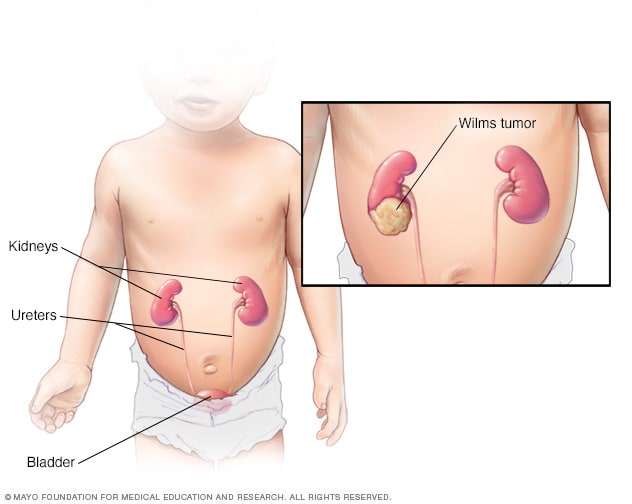
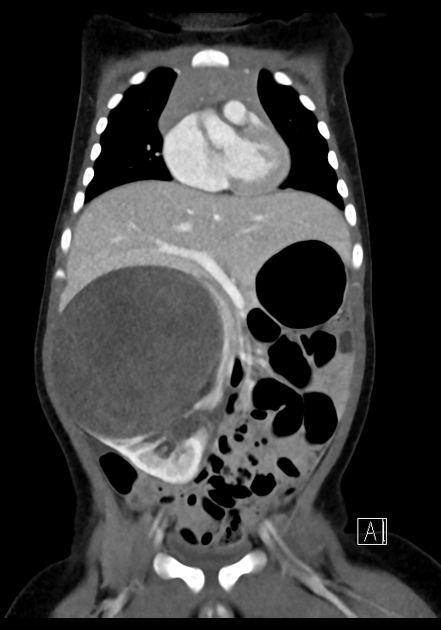

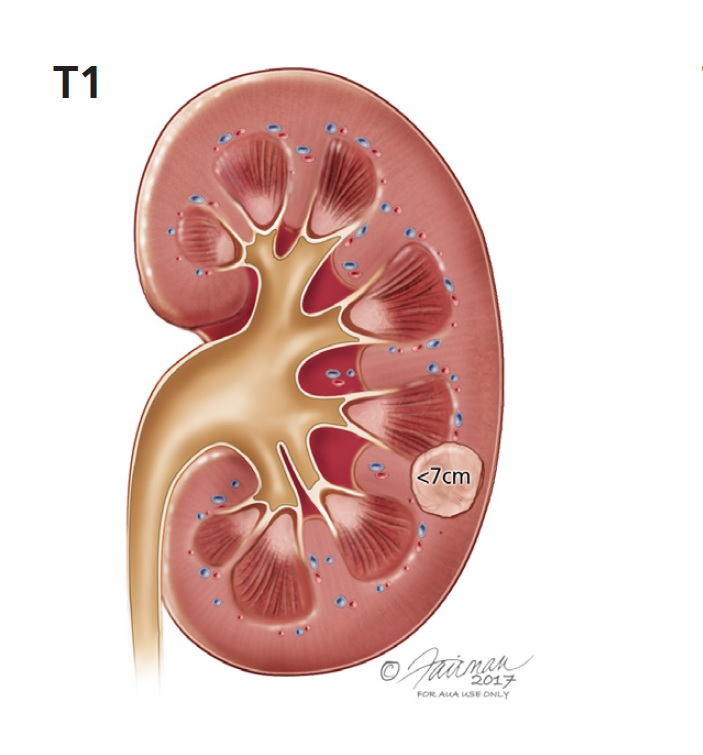
Wilms tumor is a malignant kidney tumor that begins in immature kidney cells. The kidneys are two bean-shaped organs located in the lower back that filter blood and produce urine. In Wilms tumor, abnormal cells grow uncontrollably in one or both kidneys.
It is the most common kidney cancer in children and accounts for about 5% of all childhood cancers.
~How Common Is Wilms Tumor?
Wilms tumor affects approximately 1 in 10,000 children worldwide. Most cases are diagnosed between ages 2 and 5. It is rare in children older than 6 years and extremely rare in adults.
In developed countries, survival rates exceed 90% due to early detection and effective treatment.
~Causes of Wilms Tumor
Wilms tumor develops due to genetic mutations that affect kidney cell growth. In many cases, the exact cause is unknown. However, certain genetic changes are strongly linked to the disease.
Genetic Factors
Mutations in genes such as:
WT1 gene
WT2 gene
These genes play an important role in kidney development during pregnancy. When they malfunction, abnormal kidney cells may form tumors.
Sporadic vs. Hereditary Cases
Sporadic Wilms tumor: Most common; no family history.
Hereditary Wilms tumor: Rare; can run in families due to inherited gene mutations.
~Risk Factors
Certain conditions increase the risk of Wilms tumor:
Family history of Wilms tumor
Congenital abnormalities of the urinary tract
Genetic syndromes such as:
WAGR syndrome
Denys-Drash syndrome
Beckwith-Wiedemann syndrome
Children with these conditions often require regular screening.
~Symptoms of Wilms Tumor
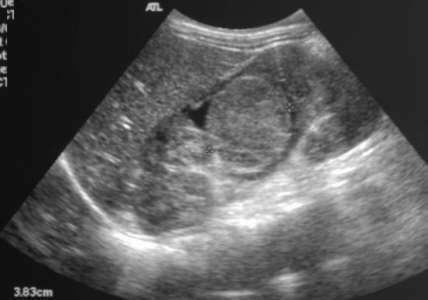

Symptoms may develop gradually and are often first noticed by parents.
Common Signs and Symptoms
Abdominal swelling or lump
Most common symptom
Usually painless
Abdominal pain
Fever
Blood in urine (hematuria)
High blood pressure
Loss of appetite
Fatigue
Nausea or vomiting
If a child develops an unexplained abdominal mass, immediate medical evaluation is necessary.
~When to See a Doctor
Seek medical attention if your child has:
A noticeable lump in the abdomen
Persistent abdominal pain
Blood in urine
Unexplained fever
Unusual fatigue
Early diagnosis significantly improves survival rates.
~Diagnosis of Wilms Tumor
Doctors use several tests to confirm diagnosis.
Physical Examination
A pediatrician checks for abdominal swelling or masses.
Imaging Tests
Ultrasound: First-line imaging test
CT scan: Evaluates tumor size and spread
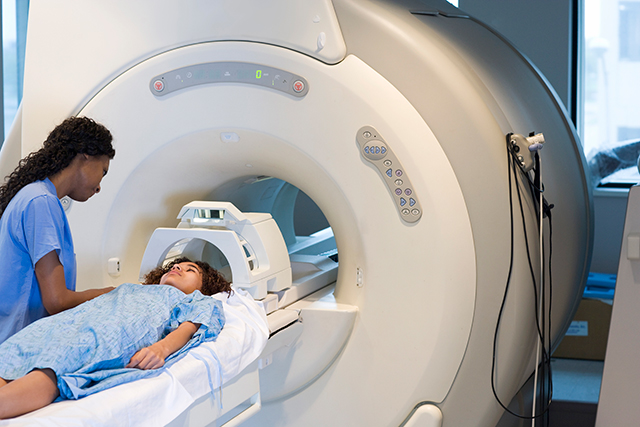
MRI: Provides detailed imaging
Chest X-ray: Checks for lung metastasis
Laboratory Tests
Blood tests
Urine analysis
Biopsy
In some cases, a biopsy may be performed, although many treatment plans proceed directly to surgery.
~Stages of Wilms Tumor
Wilms tumor is classified into five stages:
Stage I
Cancer confined to one kidney and completely removed by surgery.
Stage II
Cancer extends beyond the kidney but is completely removed.
Stage III
Cancer remains in the abdomen after surgery.
Stage IV
Cancer spreads to distant organs such as lungs or liver.
Stage V
Cancer affects both kidneys.
Staging helps determine treatment approach.
~Treatment Options for Wilms Tumor


Treatment depends on the stage and histology (cell type) of the tumor.
Goals of Treatment
Cure the cancer
Preserve kidney function
Prevent recurrence
1. Surgery (Nephrectomy)
The primary treatment is surgical removal of the affected kidney.
Types:
Radical nephrectomy (entire kidney removed)
Partial nephrectomy (tumor removed, kidney preserved)
2. Chemotherapy
Used before or after surgery to kill remaining cancer cells.
Common chemotherapy drugs:
Vincristine
Dactinomycin
Doxorubicin
3. Radiation Therapy
Used in advanced stages or if cancer spreads.
4. Treatment for Bilateral Wilms Tumor
When both kidneys are affected, doctors try to preserve as much kidney tissue as possible.
~Side Effects of Treatment
Treatment may cause temporary or long-term side effects:
Nausea and vomiting
Hair loss
Fatigue
Increased infection risk
Kidney function issues
Fertility concerns (rare)
Close follow-up care helps manage these effects.
~Prognosis and Survival Rate
Wilms tumor has one of the highest cure rates among childhood cancers.
Overall survival rate: More than 90% in developed countries
Early-stage survival: Over 95%
Advanced-stage survival: Around 70–85%
Factors affecting prognosis:
Stage at diagnosis
Tumor histology
Response to treatment
Genetic factors
Early detection leads to excellent outcomes.
~Complications
Possible complications include:
Kidney damage
High blood pressure
Recurrence of cancer
Lung metastasis
Emotional and psychological stress
Long-term monitoring is essential.
~Recurrence of Wilms Tumor
Although rare, recurrence can occur, usually within two years of treatment. Regular follow-ups include:
Imaging tests
Physical exams
Blood tests
Early detection of recurrence improves treatment success.
~Prevention and Screening
Wilms tumor cannot be fully prevented. However, children with genetic syndromes or family history should undergo:
Regular abdominal ultrasounds
Genetic counseling
Routine pediatric check-ups
Early screening is vital for high-risk children.
~Living With and Beyond Wilms Tumor
Most children treated for Wilms tumor grow up healthy and live normal lives. Survivors should:
Maintain regular medical follow-ups
Monitor kidney function
Adopt a healthy lifestyle
Receive psychological support if needed
Support groups and counseling can help families cope emotionally.
~Wilms Tumor in Adults
Wilms tumor is extremely rare in adults. Adult cases are more aggressive and require specialized treatment.
~Recent Advances in Wilms Tumor Research
Modern research focuses on:
Targeted therapies
Genetic testing
Personalized medicine
Reduced treatment intensity to lower side effects
Clinical trials continue to improve outcomes and quality of life.
~Frequently Asked Questions (FAQs)
Is Wilms tumor curable?
Yes. Most children are successfully treated, especially in early stages.
Can Wilms tumor spread?
Yes. It can spread to the lungs, liver, or lymph nodes if untreated.
Is Wilms tumor hereditary?
Most cases are not hereditary, but some genetic conditions increase risk.
Can a child live with one kidney?
Yes. Most people live healthy lives with one kidney.
What is the survival rate of Wilms tumor?
Survival exceeds 90% in developed countries.
~Conclusion
Wilms tumor is a serious but highly treatable childhood kidney cancer. Early detection, advanced surgical techniques, chemotherapy, and radiation therapy have dramatically improved survival rates.
Parents should remain alert for symptoms such as abdominal swelling or blood in urine. With timely medical care, most children with Wilms tumor can achieve full recovery and lead healthy, productive lives.


No comments:
Post a Comment