Adrenal Cortical Sarcoma: Symptoms, Causes, Diagnosis, Treatment, and Survival
~Introduction
Adrenal cortical sarcoma is an extremely rare and aggressive cancer that develops in the outer layer of the adrenal glands. The adrenal glands are small organs located above each kidney and play a vital role in hormone production, including cortisol, aldosterone, and androgens. Most adrenal cancers arise as carcinomas, but in rare cases, malignant tumors may originate from the connective or mesenchymal tissues of the adrenal cortex, leading to adrenal cortical sarcoma.
Due to its rarity, limited research exists, making early diagnosis and treatment challenging. However, advancements in imaging, surgical techniques, and targeted therapies are improving outcomes. This article provides a comprehensive overview of adrenal cortical sarcoma, including symptoms, causes, diagnosis, treatment options, and prognosis.
~What Is Adrenal Cortical Sarcoma?
Adrenal cortical sarcoma is a malignant tumor that arises from the connective tissues or supporting structures of the adrenal cortex. Unlike adrenal cortical carcinoma, which develops from hormone-producing cells, this sarcoma originates from soft tissues such as blood vessels, muscle, or fibrous tissue.
This type of cancer may be classified as a primary adrenal sarcoma when it begins in the adrenal gland or as a metastatic sarcoma if it spreads from another organ.
Because of its aggressive nature, adrenal cortical sarcoma often spreads quickly to nearby tissues and distant organs.
~Types of Adrenal Cortical Sarcoma
Several soft tissue sarcoma subtypes can affect the adrenal cortex:
1. Angiosarcoma
This type develops from blood vessels and is the most common sarcoma affecting the adrenal gland. It is highly aggressive and prone to early metastasis.
2. Leiomyosarcoma
It arises from smooth muscle cells within the adrenal gland’s blood vessels.
3. Fibrosarcoma
Originates from fibrous connective tissues and can grow rapidly.
4. Undifferentiated Pleomorphic Sarcoma
This aggressive form lacks specific cell features and can occur in multiple organs.
Each subtype behaves differently, which affects treatment and survival.
~Symptoms of Adrenal Cortical Sarcoma
Symptoms vary depending on tumor size, hormone production, and spread. Some tumors may be non-functional, while others produce excess hormones.
Common symptoms include:
Abdominal or flank pain
Unexplained weight loss
Fatigue
Nausea or vomiting
Loss of appetite
Fever
Palpable abdominal mass
Hormonal symptoms
If the tumor secretes hormones, patients may develop:
Excess cortisol (Cushing syndrome)
Weight gain
Round face
High blood pressure
Muscle weakness
High blood sugar
Excess androgens
Acne
Excess hair growth
Voice deepening in women
Excess aldosterone
High blood pressure
Low potassium
Muscle cramps
Because these symptoms mimic other endocrine disorders, diagnosis may be delayed.
~Causes and Risk Factors
The exact cause of adrenal cortical sarcoma is unknown. However, several factors may contribute:
Genetic mutations
Previous radiation exposure
Chronic inflammation
Environmental toxins
Certain inherited syndromes
Most cases occur sporadically without clear risk factors.
~How Rare Is Adrenal Cortical Sarcoma?
Adrenal sarcomas represent a very small percentage of adrenal tumors. Most adrenal cancers are carcinomas, making sarcomas extremely uncommon. Due to this rarity, there are no standardized treatment guidelines, and most care is based on soft tissue sarcoma protocols.
~Diagnosis of Adrenal Cortical Sarcoma
Early diagnosis is crucial but challenging due to nonspecific symptoms.
1. Medical History and Physical Examination
Doctors evaluate symptoms, hormonal changes, and family history.
2. Laboratory Tests
Blood and urine tests check hormone levels:
Cortisol
Aldosterone
Androgens
Catecholamines
These tests help differentiate adrenal tumors.
3. Imaging Studies
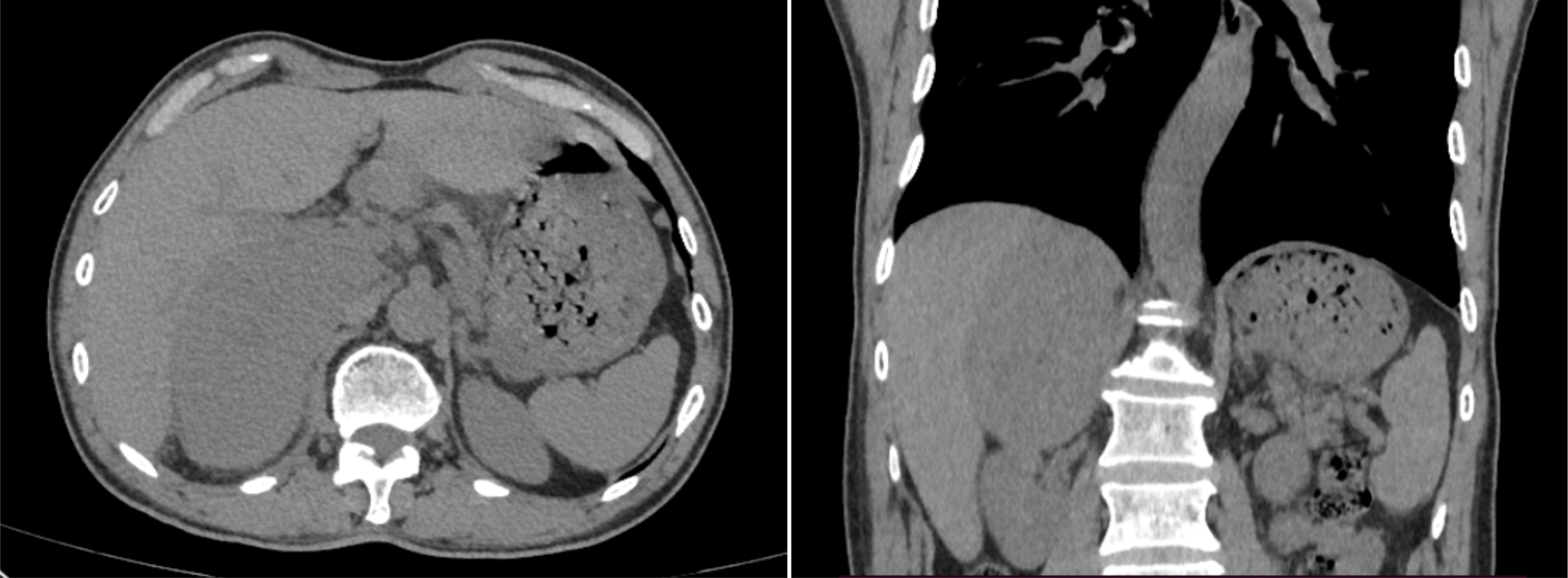
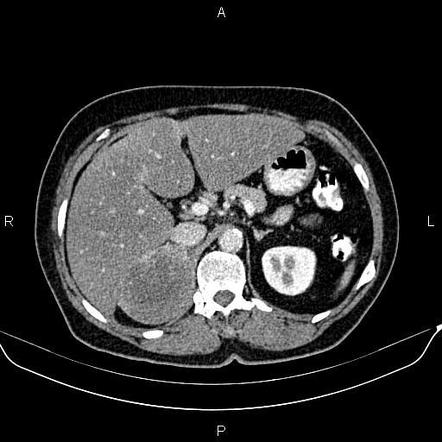
CT Scan
The most common imaging tool to detect adrenal tumors.
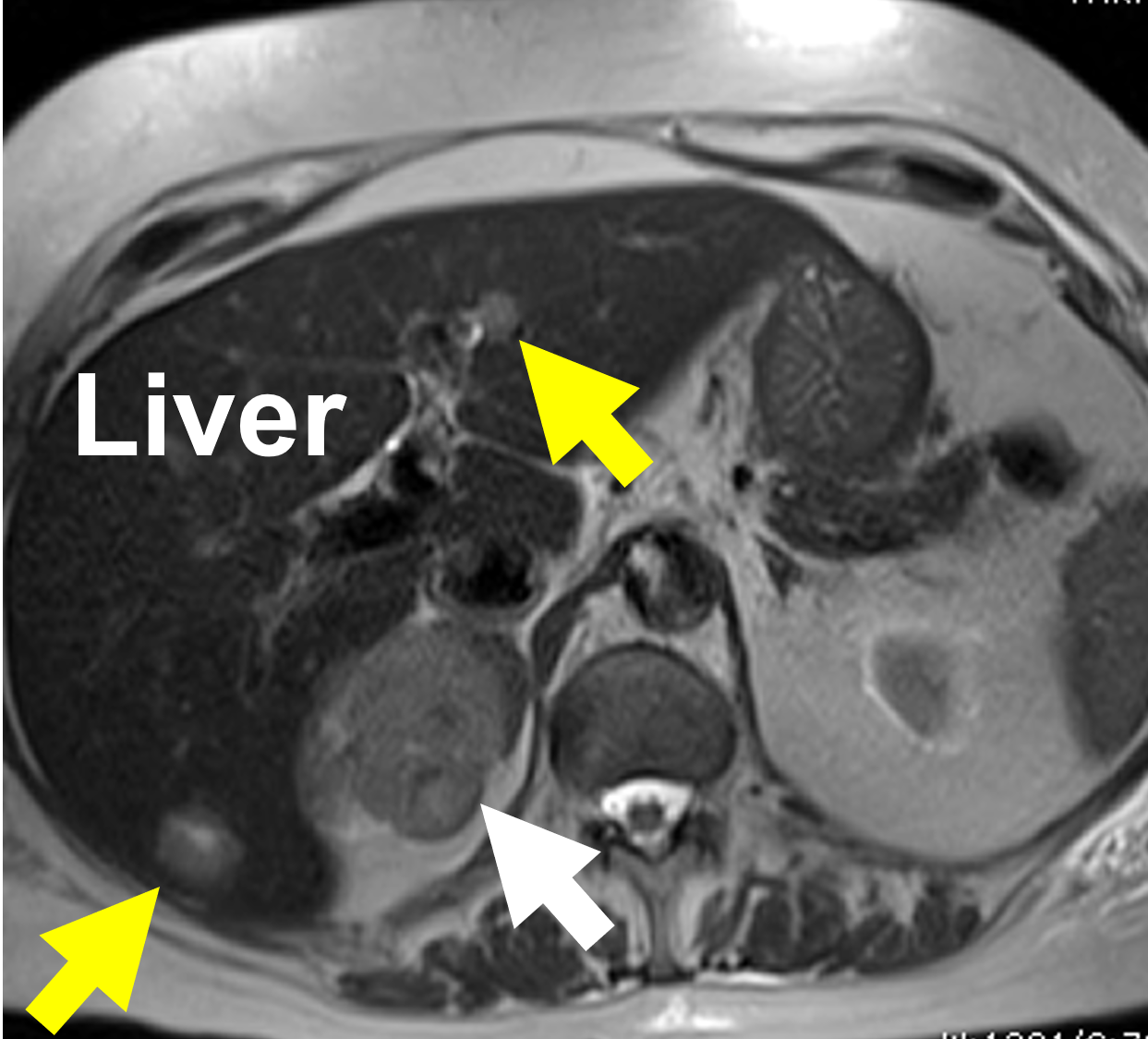
MRI
Provides detailed information about tumor structure and spread.
PET Scan
Helps identify metastasis.

4. Biopsy
A biopsy confirms the diagnosis. However, in adrenal tumors, biopsy is used cautiously due to the risk of spreading cancer cells.
~Staging and Spread
Adrenal cortical sarcoma often spreads early.
Common metastatic sites include:
Liver
Lungs
Bones
Lymph nodes
Staging determines treatment options and prognosis.
~Treatment Options
Management requires a multidisciplinary approach.
1. Surgery
Surgery is the primary treatment. The goal is complete tumor removal.
Procedures include:
Adrenalectomy
Removal of surrounding tissues
Lymph node dissection
Complete surgical resection offers the best chance for survival.
2. Chemotherapy
Used to treat advanced or metastatic disease.
Common drugs:
Doxorubicin
Ifosfamide
Gemcitabine
Chemotherapy may also be used after surgery to reduce recurrence.
3. Radiation Therapy
Radiation helps control local tumor growth and relieve symptoms.
4. Targeted Therapy and Immunotherapy
New therapies aim to target specific cancer pathways.
Examples:
Anti-angiogenic drugs
Immune checkpoint inhibitors
Clinical trials are ongoing.
5. Hormonal Therapy
If the tumor produces hormones, medications may help control symptoms.
~Prognosis and Survival
The prognosis depends on:
Tumor subtype
Stage at diagnosis
Surgical success
Metastasis
Response to therapy
Survival statistics:
Localized disease: better outcomes
Advanced disease: poor prognosis
Median survival may range from 12 to 36 months depending on treatment.
~Complications
Possible complications include:
Hormonal imbalance
Metastasis
Organ dysfunction
Recurrence
Early treatment reduces complications.
~Recurrence and Follow-Up
Regular follow-up is essential.
Monitoring includes:
Imaging scans
Hormone tests
Physical examination
Recurrence is common.
~Living With Adrenal Cortical Sarcoma
Patients may face emotional and physical challenges.
Support strategies:
Counseling and mental health support
Nutrition and exercise
Support groups
Regular medical care
Family support is crucial.
~Advances in Research
Current research focuses on:
Molecular genetics
Personalized therapy
Immunotherapy
Biomarker development
Artificial intelligence in diagnosis
These advances may improve survival in the future.
~Prevention
There is no specific prevention strategy. However:
Avoid radiation exposure
Maintain a healthy lifestyle
Regular health checkups
Early evaluation of hormonal symptoms
~When to See a Doctor
Consult a healthcare provider if you experience:
Persistent abdominal pain
Hormonal changes
High blood pressure
Unexplained weight gain or loss
Sudden metabolic changes
Early diagnosis improves treatment outcomes.
~Conclusion
Adrenal cortical sarcoma is a rare but aggressive cancer that requires early detection and specialized care. While the prognosis remains challenging, advancements in surgery, chemotherapy, and targeted therapy offer hope. Awareness of symptoms, hormonal changes, and risk factors can help in early diagnosis and better outcomes.
Continued research and clinical trials are essential to develop effective treatments and improve survival.


No comments:
Post a Comment