Cardiac Sarcoma: Symptoms, Causes, Diagnosis, Treatment, and Survival
~Introduction

Cardiac sarcoma is a rare and aggressive type of cancer that develops in the tissues of the heart. Unlike more common heart conditions such as coronary artery disease or heart failure, cardiac sarcoma originates from the connective tissues of the heart, making it a type of soft tissue sarcoma. Because of its rarity and vague early symptoms, this cancer is often diagnosed late, leading to a poor prognosis in many cases.
In recent years, advances in imaging, surgical techniques, and targeted therapies have improved the management of cardiac sarcoma. However, awareness and early detection remain crucial. This comprehensive guide covers everything you need to know about cardiac sarcoma, including symptoms, causes, diagnosis, treatment options, and survival rates.
~What Is Cardiac Sarcoma?
Cardiac sarcoma is a malignant tumor that arises from the connective tissues of the heart, such as muscle, blood vessels, or fibrous tissue. It is classified as a primary cardiac tumor, meaning it begins in the heart itself rather than spreading from another organ.
Primary heart tumors are extremely rare, and among them, about 75% are benign. The remaining malignant tumors are usually sarcomas. Cardiac sarcomas grow rapidly and can spread to other parts of the body, including the lungs, brain, and liver.
~Types of Cardiac Sarcoma
There are several types of cardiac sarcoma, depending on the tissue from which they originate:
1. Angiosarcoma
This is the most common type. It develops in the blood vessels of the heart and often affects the right atrium. Angiosarcomas are highly aggressive and tend to metastasize early.
2. Undifferentiated Pleomorphic Sarcoma
Previously known as malignant fibrous histiocytoma, this type can occur in any part of the heart and grows rapidly.
3. Leiomyosarcoma
This arises from smooth muscle cells and may affect blood vessels or the heart muscle.
4. Fibrosarcoma
It originates from fibrous connective tissue and may interfere with heart function.
5. Rhabdomyosarcoma
This develops from skeletal muscle cells and is more common in children.
Each subtype has different growth patterns, treatment responses, and outcomes.
~Symptoms of Cardiac Sarcoma
The symptoms of cardiac sarcoma vary depending on the tumor’s size, location, and spread. Because symptoms often mimic common heart conditions, diagnosis may be delayed.
Common symptoms include:
Shortness of breath
Chest pain
Fatigue
Palpitations
Swelling in the legs or abdomen
Persistent cough
Dizziness or fainting
Irregular heartbeat
Unexplained weight loss
Symptoms based on tumor location:
Right-sided tumors
Fluid accumulation in the body
Swelling
Liver enlargement
Left-sided tumors
Stroke-like symptoms
Breathing difficulty
Pulmonary congestion
If the tumor blocks blood flow or heart valves, it can cause heart failure.
~Causes and Risk Factors
The exact cause of cardiac sarcoma is unknown. Like many cancers, it likely develops due to genetic mutations in heart cells.
Possible risk factors include:
Genetic predisposition
Previous radiation therapy
Exposure to environmental toxins
Certain inherited syndromes
Chronic inflammation
However, most patients have no identifiable risk factors.
~How Rare Is Cardiac Sarcoma?
Cardiac sarcoma is extremely rare, with an estimated incidence of less than 0.03% in autopsy studies. Because of this rarity, awareness is low, and many cases go undiagnosed until advanced stages.
~Diagnosis of Cardiac Sarcoma
Early and accurate diagnosis is crucial for treatment planning. Doctors use a combination of imaging, laboratory tests, and biopsy.
1. Medical History and Physical Examination
Doctors evaluate symptoms, family history, and risk factors.
2. Imaging Tests
Echocardiography
This is usually the first test. It uses ultrasound to detect masses in the heart.
CT Scan
Provides detailed images of the tumor and surrounding structures.
MRI
Helps differentiate tumor types and evaluate spread.
PET Scan
Used to identify metastasis and tumor activity.


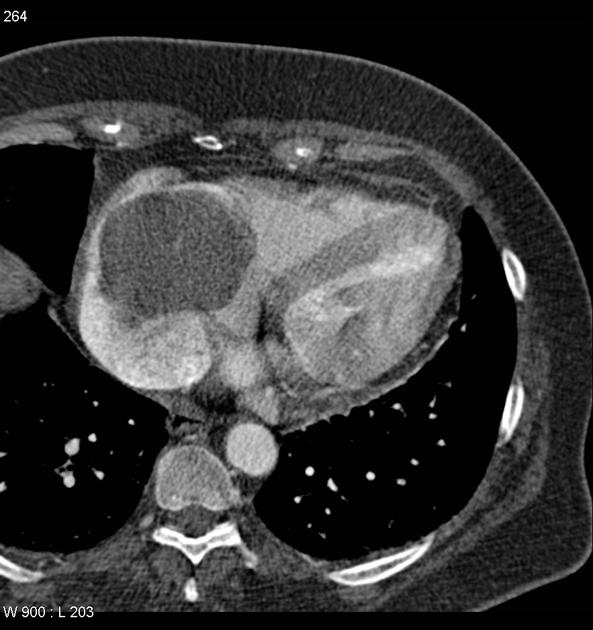

3. Biopsy
A biopsy confirms the diagnosis and identifies the subtype. However, biopsy of heart tumors can be risky and is not always performed.
~Staging and Spread
Cardiac sarcoma spreads rapidly. Common sites include:
Lungs
Brain
Liver
Bones
Staging helps determine treatment options and prognosis.
~Treatment Options for Cardiac Sarcoma
Treatment depends on tumor size, location, stage, and patient health. A multidisciplinary team usually manages the disease.
1. Surgery
Surgery is the primary treatment when possible. The goal is to remove the tumor completely.
Types of surgery:
Tumor resection
Heart reconstruction
Valve replacement
Cardiac transplantation (in selected cases)
Complete removal is difficult due to the tumor’s location and spread.
2. Chemotherapy
Chemotherapy may be used:
Before surgery to shrink tumors
After surgery to prevent recurrence
For metastatic disease
Common drugs include:
Doxorubicin
Ifosfamide
Paclitaxel
3. Radiation Therapy
Radiation helps control tumor growth and reduce symptoms. However, its use is limited due to potential damage to healthy heart tissue.
4. Targeted Therapy and Immunotherapy
New treatments focus on specific molecular pathways.
Examples include:
Anti-angiogenic drugs
Immune checkpoint inhibitors
Research is ongoing, and clinical trials are improving outcomes.
5. Palliative Care
In advanced cases, treatment focuses on improving quality of life.
This includes:
Pain management
Symptom control
Psychological support
~Prognosis and Survival Rate
The prognosis for cardiac sarcoma remains poor due to late diagnosis and aggressive behavior.
Survival statistics:
Median survival: 6–18 months
With surgery: up to 24–36 months
Early detection improves outcomes
Factors affecting prognosis:
Tumor subtype
Stage at diagnosis
Completeness of surgery
Response to treatment
Angiosarcoma has the worst prognosis, while some other types may have better outcomes.
~Complications
Cardiac sarcoma can cause life-threatening complications:
Heart failure
Stroke
Pulmonary embolism
Arrhythmias
Sudden cardiac death
Early treatment can reduce these risks.
~Recurrence and Follow-Up
Recurrence is common even after treatment.
Patients require regular monitoring, including:
Imaging tests
Blood tests
Cardiac evaluation
Follow-up helps detect recurrence early.
~Living With Cardiac Sarcoma
A diagnosis of cardiac sarcoma can be overwhelming. Patients may experience emotional, physical, and psychological challenges.
Tips for coping:
Seek emotional support
Join cancer support groups
Maintain a healthy lifestyle
Stay informed about treatment options
Work closely with healthcare providers
Family and caregiver support plays a crucial role.
~Advances in Research
Research in cardiac sarcoma is evolving rapidly.
Key areas include:
Molecular profiling
Personalized medicine
Gene therapy
Immunotherapy
Artificial intelligence in diagnosis
Clinical trials offer hope for improved survival.
~Prevention
There is no proven way to prevent cardiac sarcoma. However, general cancer prevention strategies may reduce risk:
Avoid tobacco
Maintain a healthy diet
Exercise regularly
Limit exposure to toxins
Regular medical checkups
Early evaluation of unexplained heart symptoms is essential.
~When to See a Doctor
Seek medical attention if you experience:
Persistent shortness of breath
Unexplained chest pain
Palpitations
Fainting episodes
Swelling in the body
Sudden neurological symptoms
Early diagnosis can improve treatment outcomes.
~Conclusion
Cardiac sarcoma is a rare but highly aggressive cancer of the heart that requires prompt diagnosis and treatment. Because its symptoms often mimic other heart conditions, awareness is essential for early detection. Advances in surgery, chemotherapy, and targeted therapy are improving survival and quality of life for patients.
Although the prognosis remains challenging, ongoing research and personalized treatment approaches offer hope for better outcomes. If you or a loved one experiences unexplained cardiac symptoms, timely medical evaluation can make a significant difference.


No comments:
Post a Comment